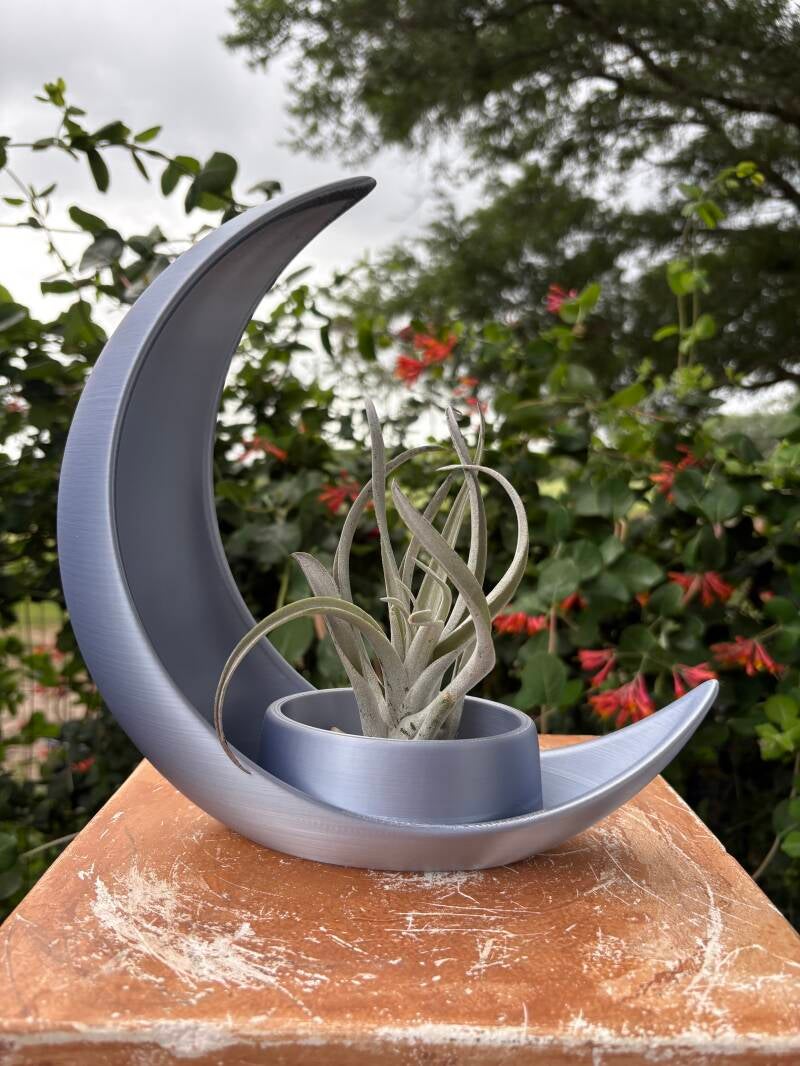
What Are Air Plants?
Air plants are a group of epiphytic plants, most commonly in the genus Tillandsia (part of the Bromeliad family). Unlike most plants, they don’t grow in soil. Instead, they anchor to other plants, rocks, or structures and absorb moisture and nutrients through their leaves. Their remarkable adaptability and minimal care needs have made them increasingly popular in homes, offices, terrariums, and artful displays.
A Rich History: From Wild Tropics to Global Trend
Origins & Natural Habitat
Air plants are native to a broad range of environments, including tropical rainforests of Central and South America, deserts and dry highlands, the southern U.S., Mexico, Caribbean islands, and parts of Argentina and Chile. In their native ecosystems, they play key ecological roles such as providing moisture and shelter for insects and small animals, acting as primary producers in nutrient-poor environments, and supporting biodiversity on host plants without harming them.
Discovery & Scientific Study
European naturalists began cataloging Tillandsia species in the 18th and 19th centuries as botanical exploration expanded. Their unusual lifestyle fascinated scientists, leading to early studies of leaf trichomes (specialized absorbing structures), drought survival strategies, and symbiotic relationships with birds and insects.
Modern Popularity
Air plants became household staples in the late 20th and early 21st centuries due to minimal care requirements, unique adaptability to decorative setups, and increased interest in low-maintenance indoor gardening and biophilia (human-plant psychological connection).
Today, artistic displays such as glass globes, driftwood mounts, living walls, and terrariums showcase air plants as both botanical specimens and living art.
Botanical Anatomy & Unique Biology
Leaf Structure & Trichomes
Air plants lack traditional roots for nutrient uptake. Instead, they have trichomes which are microscopic structures on leaves that absorb water and mineral nutrients directly from air, fog, or rain. Trichomes appear as waxy or grayish-silver leaf surfaces, depending on species. The density and structure of trichomes determine how drought-tolerant a species is and where it thrives in nature (sun vs shade environments).
Roots
Air plant roots in their natural environments act mainly as anchors, not nutrient absorbers. They cling to surfaces such as tree bark, rocks, fences while leaves do the real work of gathering moisture and nourishment.
Photosynthesis & CAM Metabolism
Many air plants use Crassulacean Acid Metabolism (CAM) which means the stomata (leaf pores) open at night to minimize water loss. CO₂ is captured at night and used during the day for photosynthesis. This adaptation enables survival in harsh, dry environments.
Reproduction
Air plants reproduce via offsets (pups). Oups are clone plants that grow from the base after the parent flowers. Air plants can also grow from seeds produced after flowering, carried by wind to new sites.
Most growers propagate air plants from pups, which are genetically identical to their parent.
How to Care for Air Plants: Science-Backed Best Practices
Light
Air plants need bright, indirect light. East or west windows with filtered sunlight are perfect.
Be careful of direct, harsh afternoon sun as it will often scorch leaves. Species from deserts may tolerate brighter light than those from rainforests.
Water
Unlike soil plants, air plants absorb water through leaves. Hydration methods include soaking or submerging the plant for 20 to 30 minutes weekly. Supplemental misting between soaks and drip or fog systems are great for terrariums and low humidity areas.
Water Quality Matters
Only use rainwater, spring water, or filtered water. Distilled water is also a good option provided you are also using an air plant specific fertilizer (more details on fertilizer in a moment). Avoid hard water with chlorine or fluoride if possible sue to frequently causing browning tips.
Drying
After watering, shake gently and place plant upside-down to dry in air within 4 hours to prevent rotting. Never allow water to pool inside of air plants.
Airflow & Temperature
Air plants need good air flow to prevent fungal issues. Ideal temperatures range from 50 to 90°F (10–32°C).
Most species cannot tolerate frost.
Fertilization
Use bromeliad or air-plant specific fertilizer monthly at ¼ strength during growth season. Too much fertilizer can burn plants. If you soak and mist with only distilled water, you may need to adjust the strength a bit to ensure your plants are getting enough nutrients.
Mounting & Display
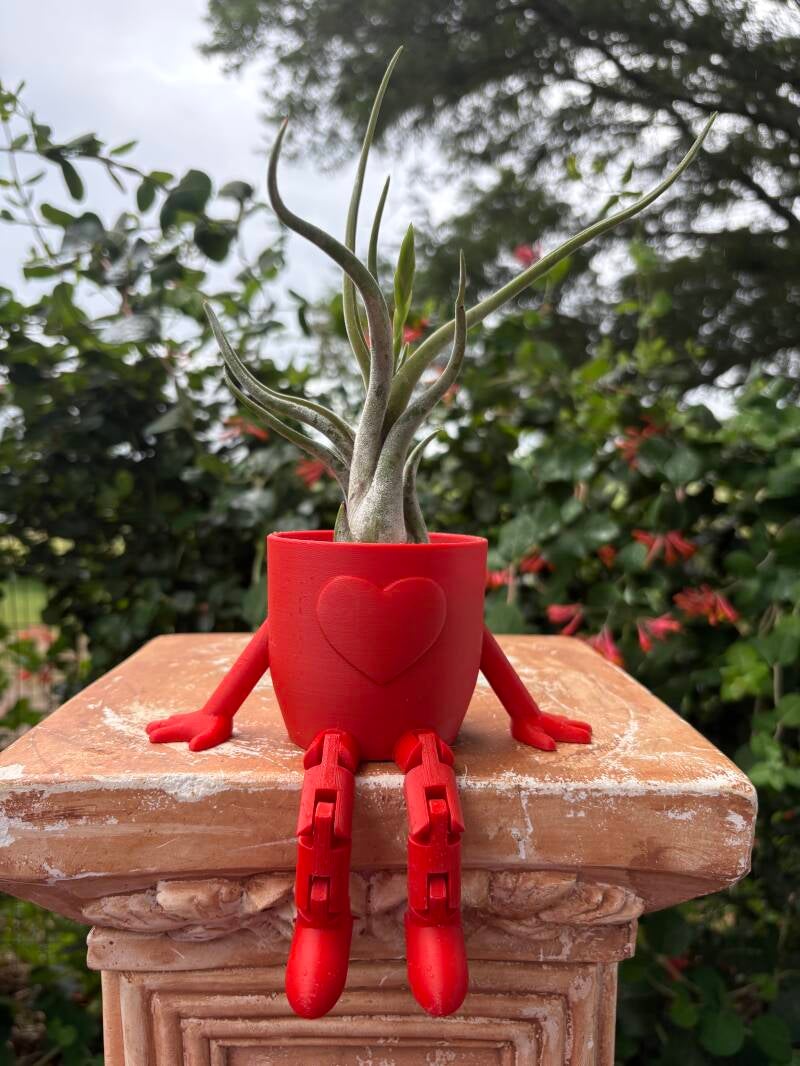
Air plants can be displayed without soil on driftwood, cork, and stones or in decorative pots without soil and hanging glass globes.
Popular Air Plant Species & What Makes Them Special
- Tillandsia xerographica – large and sculptural; loves bright light (my personal favorite).
- Tillandsia ionantha – small and colorful, often blushes reddish when blooming.
- Tillandsia bulbosa – curly, bulbous leaves; dramatic forms.
- Tillandsia caput-medusae – snake-like leaves; unique architectural shape.
Air Plants in Science, Culture & Art
Ecological Importance
Air plants play a subtle yet meaningful role in the ecosystems they inhabit. Growing high on tree branches, rocks, and other surfaces, they create small pockets of shelter and moisture that support a wide range of life. Their rosettes can collect water, leaf litter, and organic debris, forming miniature reservoirs that provide habitat for insects, spiders, and microorganisms contributing to overall biodiversity in forest canopies.
These plants are especially important in nutrient-poor environments, where their unique adaptations allow them to thrive without soil. Their specialized leaf structures enable them to not only absorb water, but also dust and dissolved nutrients directly from the air. In doing so, they help capture and cycle airborne particles, playing a quiet role in nutrient redistribution within their ecosystem.
Air plants also contribute to ecological balance by supporting pollinators. Many species produce vibrant blooms that attract hummingbirds, bees, and other pollinating insects, helping sustain food webs in their native habitats.
By occupying vertical space without harming their host trees, Tillandsias increase the structural and biological complexity of forests. Their presence enhances microhabitats, supports diverse life forms, and demonstrates nature’s ability to adapt, cooperate, and flourish, even in the most minimal conditions.
Cultural Uses
Air plants have long held a place in the traditions and daily lives of Indigenous cultures throughout Central and South America. Beyond their ecological role, they were valued for their symbolic, practical, and aesthetic qualities.
In rituals and spiritual practices, certain Tillandsia species were used as natural adornments for altars, ceremonial spaces, and offerings. Their ability to live without soil often gave them symbolic meaning representing resilience, connection to the air and spirit, and the idea of life sustained beyond the visible ground. In some traditions, they were incorporated into seasonal celebrations and sacred gatherings as living elements that bridged the natural and spiritual worlds.
In traditional medicine, air plants were sometimes used in folk remedies. While practices varied by region and species, parts of the plant were occasionally prepared in infusions or topical applications, reflecting a broader knowledge of local flora and its potential benefits. These uses were typically rooted in generations of observation and cultural knowledge, even if not widely documented in modern scientific literature.
In decorative arts and daily life, Tillandsias were woven into crafts, displayed in homes, or used to embellish structures and ceremonial objects. Their unique forms and durability made them ideal for natural decoration bringing texture, movement, and a sense of the living landscape into built environments.
Across these uses, air plants were appreciated not only for their beauty, but for their ability to exist in harmony with their surroundings, requiring little, yet offering presence, meaning, and connection in return.
Why Air Plants Captivate Us
Air plants are more than low-maintenance décor, they embody resilience and adaptability. They connect us to the fundamental elements air and water and their biology challenges traditional notions of how plants live. Whether you’re a seasoned grower or a curious beginner, air plants offer endless fascination. Their unique survival strategies, their elegance in display and their spiritual symbolism, make them perfect for any space.
Add comment
Comments